Thank you for buying this record. What follows is its documentation: the
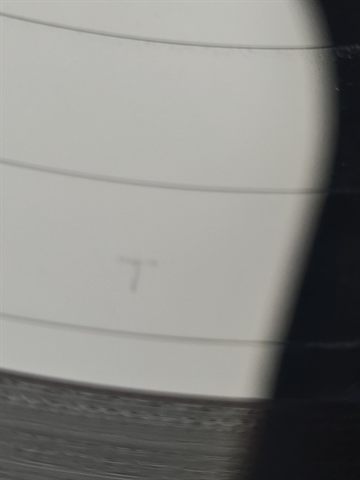
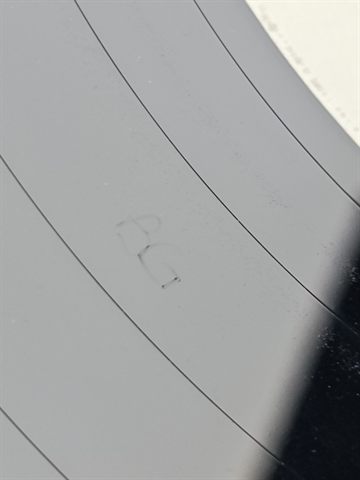
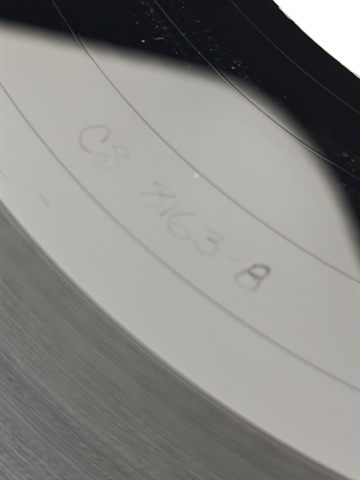
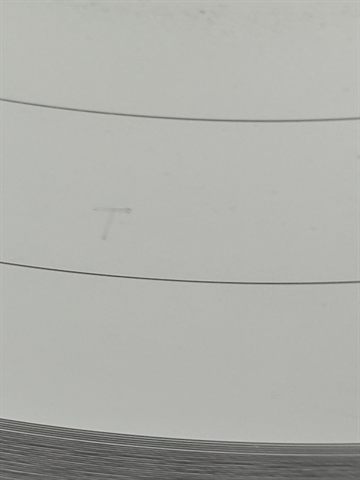
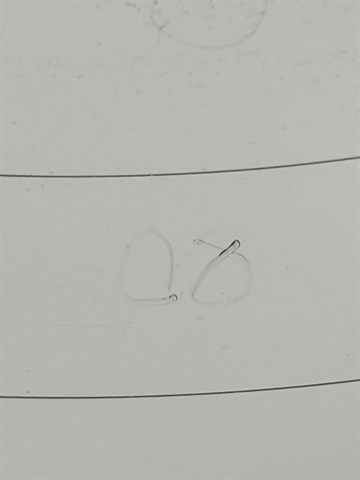
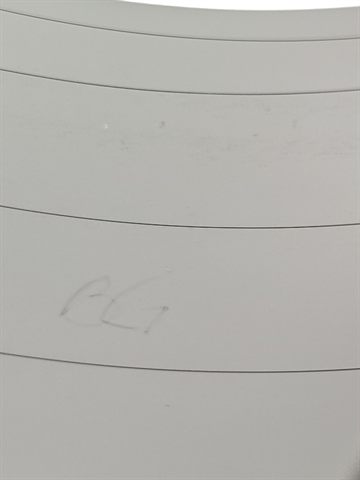
pressing identified, the matrix / runout transcribed by hand from the dead
wax, and the condition as assessed before it was listed. It is yours to keep
with the record.
— Paul, Vinyl Curator
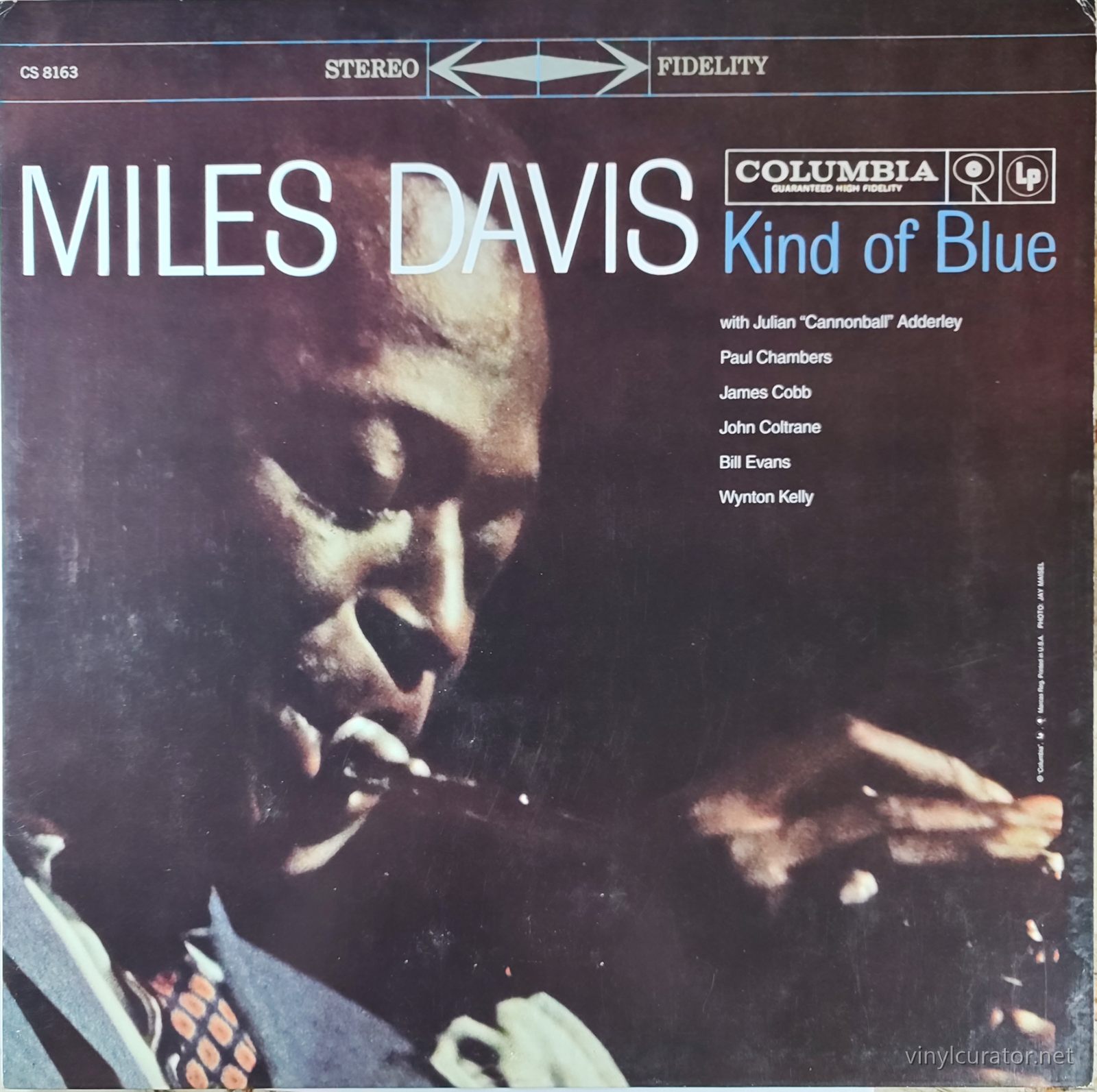
Miles Davis
Kind of Blue (2)
1997 · Classic Records (Columbia catalog number retained) CS 8163 · Stereo · US · LP, test pressing · 33 1/3 RPM
Pressing details
| Label | Classic Records (Columbia catalog number retained) |
|---|
| Catalogue number | CS 8163 |
|---|
| Year | 1997 |
|---|
| Mono / Stereo | Stereo |
|---|
| Country | US |
|---|
| Format | LP, test pressing |
|---|
| Speed | 33 1/3 RPM |
|---|
| Genre | Jazz - Modal Jazz |
|---|
| Producer | Irving Townsend (original recording); Classic Records reissue produced by Michael Hobson |
|---|
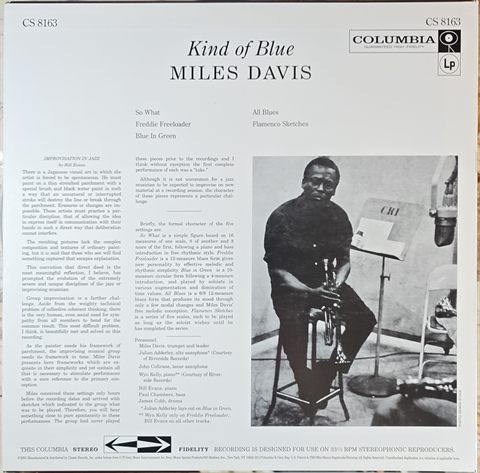
| Musicians | Miles Davis (trumpet, leader), John Coltrane (tenor saxophone), Julian "Cannonball" Adderley (alto saxophone, courtesy of Riverside Records; not on "Blue in Green"), Bill Evans (piano, all tracks except "Freddie Freeloader"), Wynton Kelly (piano, courtesy of Riverside Records, "Freddie Freeloader" only), Paul Chambers (bass), Jimmy Cobb (drums) |
|---|
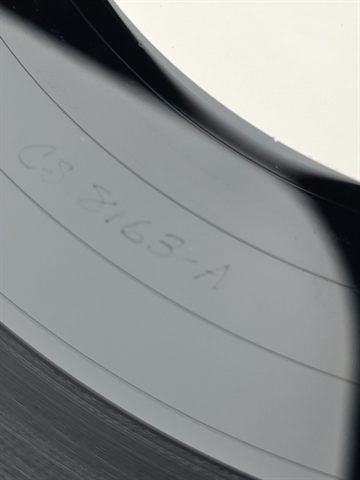
Matrix / Runout
Side A:  CS 8163-A T BG
Side B:  CS 8163-B T BG 08
Condition
- Cover
- NM
- Vinyl
- NM
Variant chronology
1959 - US Columbia 6-eye label, mono/stereo (CL 1355/CS 8163), NY manufactured
1963-1965 - US Columbia 2-eye label (Guaranteed High Fidelity)
c.1970-1976 - US Columbia orange label (360 Sound Stereo)
1977 - US Columbia Terre Haute press, orange label
1980 - CBS Mastersound half-speed mastered LP (HC 44087)
1995/1997 - Classic Records CS 8163, 200g Quiex SV-P, Bernie Grundman all-tube cut
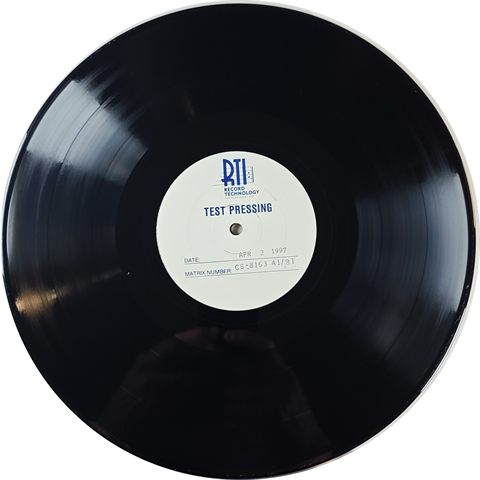
1997 - Classic Records RTI white-label TEST PRESSING (this variant, pre-release)  <- this copy
2001 - Classic Records reissue, same catalog/jacket (repress run)
2008 - Classic Records 200g Clarity Vinyl reissue
2009 - Sony Legacy/Columbia 50th Anniversary Legacy Edition LP
2022/2025 - Analogue Productions/QRP "Corrected Speed" 45RPM & 33 1/3 reissues
This Pressing
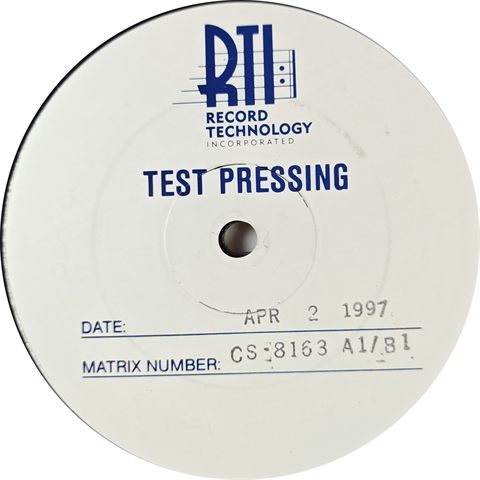
1997 RTI white-label TEST PRESSING for the Classic Records CS 8163 audiophile reissue - stamped 'APR 2 1997', matrix CS 8163 A1/B1 with BG (Bernie Grundman) lacquer suffix, predating and sitting above the retail 200g run in the pressing hierarchy.
The Album
Recorded in two sessions at Columbia's 30th Street Studio in New York on March 2 and April 22, 1959, Kind of Blue grew out of Miles Davis's interest in modal composition, an approach he had been exploring with pianist and co-writer Bill Evans; Davis brought the band only sketches of scales and melodic frameworks rather than fully notated charts, pushing the septet to improvise within simple modal structures instead of dense chord changes. The septet united Davis with John Coltrane, Julian "Cannonball" Adderley, Bill Evans (with Wynton Kelly sitting in for "Freddie Freeloader"), Paul Chambers, and Jimmy Cobb, a lineup that let two contrasting saxophone voices and two pianists color the same modal palette from different angles. Arriving at the height of Davis's late-1950s creative surge, the album marked a turning point away from the harmonic density of bebop toward the spacious, scale-based language that would influence jazz, rock, and beyond for decades. Its unhurried tempos, blues-rooted melodies, and largely first-take performances captured a collective spontaneity that Bill Evans himself likened to a painter working directly and without revision, an ethos he described in his own liner note for the LP. Kind of Blue is widely regarded as the best-selling and most influential jazz album ever made, frequently cited as the essential entry point to the genre and a permanent fixture on best-album lists across all styles of music. Its legacy rests not only on its commercial reach but on how thoroughly modal improvisation, as introduced here, reshaped the vocabulary of jazz soloing for generations of musicians that followed.
Tracklist
Side 1
1. So What
2. Freddie Freeloader
3. Blue in Green
Side 2
1. All Blues
2. Flamenco Sketches
The Label
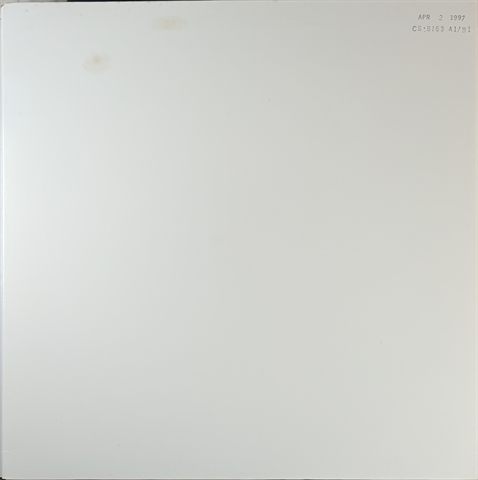
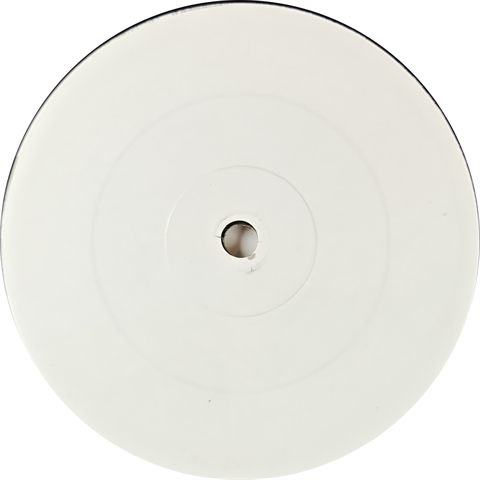
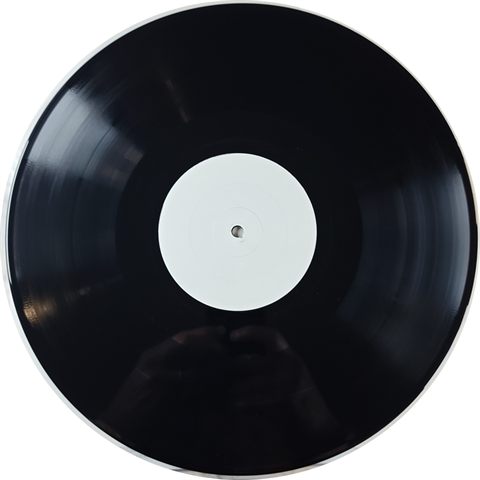
This copy carries plain white RTI (Record Technology Incorporated) 'TEST PRESSING' labels rubber-stamped 'APR 2 1997' with matrix 'CS 8163 A1/B1', identifying it as a pre-release test pressing struck at RTI for Classic Records' audiophile reissue of Kind of Blue, not a retail-label copy. Classic Records licensed the Columbia/Sony catalog and issued CS 8163 on 200-gram Quiex SV-P vinyl beginning in the mid-1990s, with Bernie Grundman recutting lacquers directly from the original three-track analog masters; the jacket used for the eventual retail run bears a 2001 Sony/Classic copyright line, but the test-pressing date shows this specific stamper/lacquer pair (the 'BG' matrix suffix) was cut in April 1997, ahead of that later commercial pressing cycle. Because RTI test pressings are struck in very small quantities purely for quality-control approval before a title is approved for the full run, this places the disc at the very top of the Classic Records variant hierarchy for CS 8163, above the routine 200g retail copies that followed. The plain jacket insert (blank white, stamped identically to the label) confirms it left the plant as a test unit rather than a packaged consumer product.
Fidelity
The lacquers were cut by Bernie Grundman directly from the original three-track analog session masters with no additional EQ, on Classic Records' all-tube cutting chain, and pressed at RTI on audiophile-grade vinyl for the retail run; this test pressing represents that same Grundman cut at its earliest, pre-approval stage. Steve Hoffman forum consensus generally rates the Classic Records Kind of Blue highly among vintage-tape-sourced reissues, praising its openness and low-level detail compared to standard CBS/Columbia pressings, though some prefer later 45rpm cuts (Analogue Productions/QRP) for outright resolution. Within the album's full fidelity hierarchy this sits below the original 1959 six-eye Columbia lacquers (prized for tape freshness) and below the 2020s Analogue Productions 'Corrected Speed' 45rpm QRP pressing (considered the current audiophile benchmark), but above the routine 1970s-80s Columbia reissues and most CD/digital editions; as a test pressing it also typically offers the cleanest, most consistent playback surface from that stamper pair before any commercial wear-and-tear on the plating.
Notes
This is not a retail copy but an RTI test pressing for Classic Records' audiophile reissue of Kind of Blue (CS 8163). The generic RTI 'TEST PRESSING' label rubber-stamped 'APR 2 1997' and matrix 'CS 8163 A1/B1' identify the lacquer/stamper pair used for quality-control approval ahead of the commercial run. The blank plain-white jacket insert matches a test-pressing configuration rather than a packaged consumer product. The 'BG' designation ties the cut to Bernie Grundman's Classic Records mastering from the original three-track analog masters, distinguishing this from both the vintage Columbia originals and the eventual retail 200g Quiex pressings that followed.
Documenting collections
I do this work for other people’s collections too — documenting a
collection record by record, researching individual pressings, and preparing
collections for sale or for insurance. If you have a collection you would like
documented, or a record you want identified properly, get in touch:
email
This record’s page: https://vinylcurator.net/albums/miles-davis-kind-of-blue-2/